Best Laceless Soccer Cleats Tested for Touch: Which Ones Actually Help Your First Contact
Last Updated on October 17, 2026 by
Laceless cleats get marketed as a touch upgrade, and the claim is only partly true. Removing the laces does change what the ball meets when it hits your foot, but how much that matters depends on where you usually contact the ball and how well the cleat holds your foot without a lace to tighten. This guide covers what changes, who benefits, and which of the best laceless soccer cleats suit which kind of player, so you can decide before paying for a premium pair.
Why a laceless upper changes how the ball meets your foot
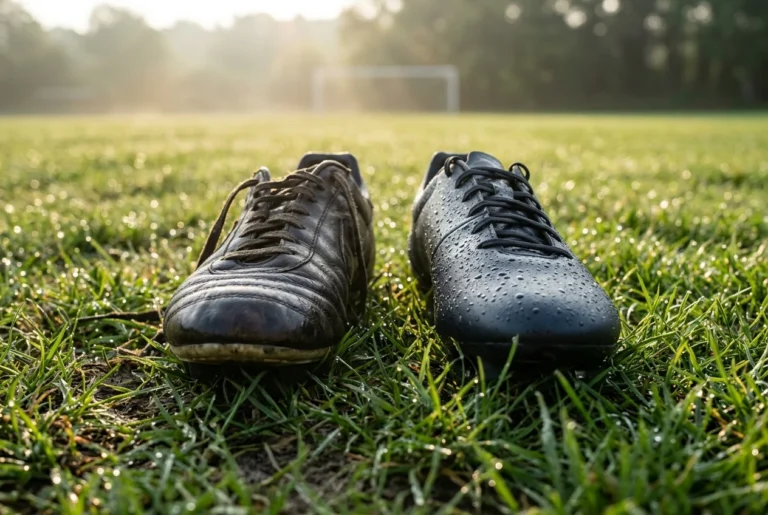
A laced cleat has a ridge running down the middle of the forefoot. The knot sits on top of it, the eyelets or lace holes sit either side, and the tongue lies underneath. When you strike or receive the ball with the top of your foot, those parts are what the ball touches. The ball can hit the knot, skip off a lace, or land on the seam between lace panel and upper, and each of those makes the contact slightly less predictable.
A laceless upper replaces that with one continuous surface. The closure is hidden under a collar, a flap or a stretch panel, so the instep area is uniform. The ball meets the same material wherever it lands, and there is no hard knot for it to catch.
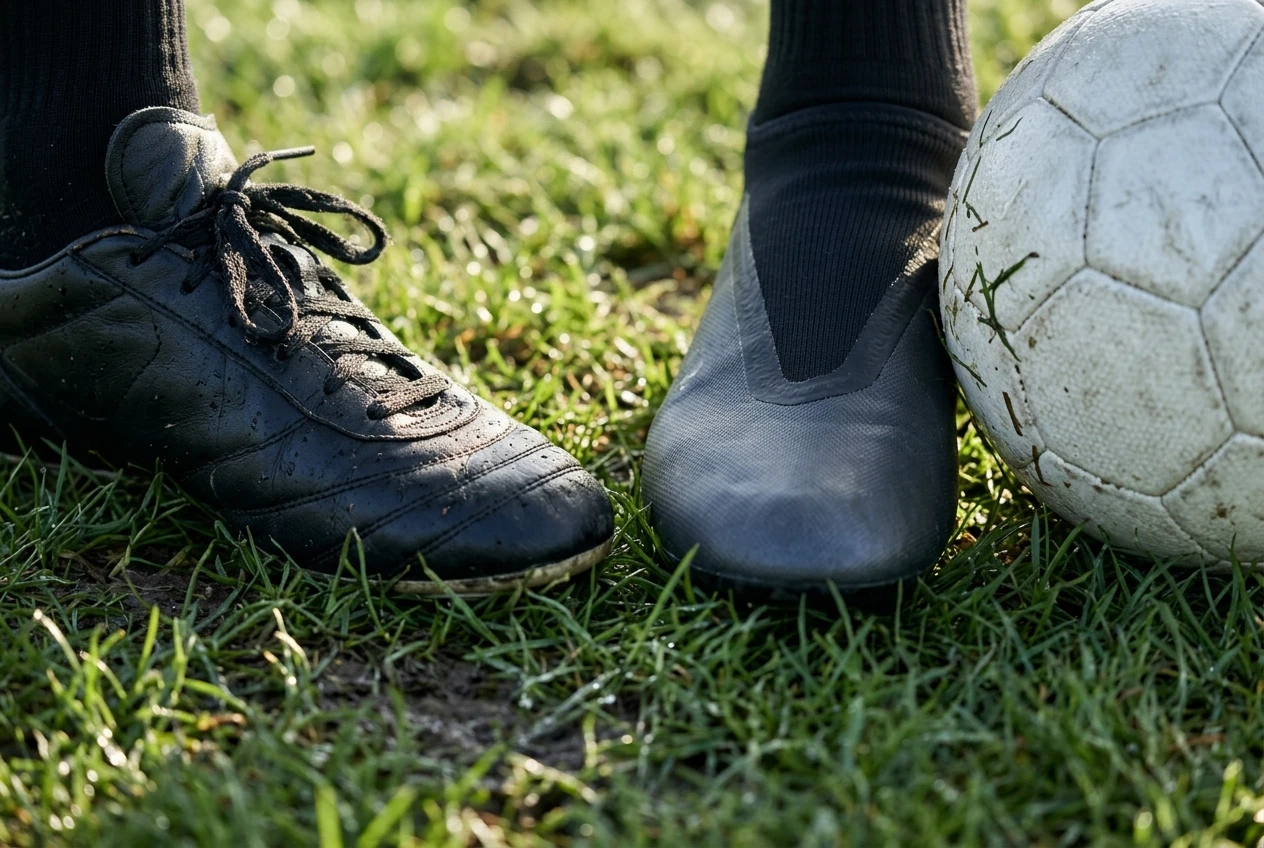
Many laced cleats already reduce the problem. They use offset lacing that moves the knot toward the side, flat laces, or a cover over the lace area. A well-designed laced cleat gets part of the way to a clean surface, so the real gain from going laceless is smaller than the marketing implies.
The surface material matters as much as the missing laces. Some laceless uppers are smooth and thin. Others carry raised texture or rubberised elements meant to add grip on the ball. A textured laceless upper changes spin and friction on contact, while a smooth one gives a plainer, more consistent feel. When comparing models, ask what the instep is made of, not only whether it has laces.
Who feels a real touch difference and who won’t
The touch benefit is largest for players who use the top of the foot a lot. That includes:
- Players who receive with the laces area. Cushioning a driven pass or a dropping ball on the instep is the situation where a knot interferes most.
- Players who dribble with the top of the foot. Running the ball with the outside or middle of the instep brings the lace area into frequent contact.
- Finishers who strike through the ball with the instep. A clean surface can make contact feel more consistent on driven shots, though the effect on power and accuracy is hard to measure by feel alone.
Players who feel little or nothing tend to be those who touch the ball mostly with the inside or outside of the foot. A defender who passes with the inside of the foot and clears with the top of the toe box has little reason to care about the instep surface. A winger who pushes the ball with the outside edge gets the same contact in a laced cleat as in a laceless one.
Younger and developing players are a separate case. A player still working out technique gains more from a stable, well-fitting cleat than from a marginal change in instep surface. Parents weighing a premium laceless pair for a growing child should also remember the child may outgrow it in a season. A laceless cleat has less room to adjust for a foot that changes size and volume, which makes the fit section below more important for youth players. The guide to soccer cleats for kids with wide feet covers the width problem in more detail.
One honest caution: touch is partly perception. A cleat that feels cleaner can give a player confidence, and confidence changes how they play. That is a legitimate benefit, but it differs from the cleat improving first contact in a way you could repeat under controlled conditions. Judge a pair by how your own touches behave over several sessions, not by the first five minutes.
The laceless cleats worth considering, grouped by playing style
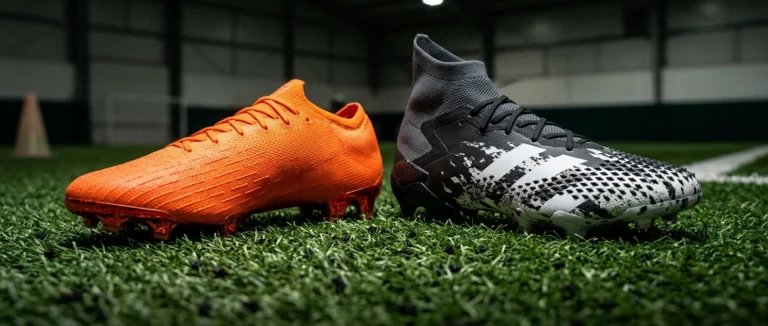
Adidas has built the most visible laceless range, and its laceless models are generally marked with a plus sign after the name, as in the Predator and X lines. Other brands have released laceless models in their top tiers at various points, but availability changes from season to season. Check the current listing for any model before you commit, because specific versions are replaced regularly. Also check what “laceless” means on that product page. Some cleats use a true laceless closure, while others hide laces under a flap, and the fit and feel differ.
For receivers and playmakers
If you spend most of a match controlling passes and turning, look at the laceless Predator models. The Predator line has long focused on control, and its uppers typically add texture on the striking area. That texture can help the ball stay on your foot when you cushion it. It also changes how the ball feels when you strike, so give yourself time to adjust. For a comparison of the Predator against its main rival, see Nike Mercurial vs Adidas Predator.
For dribblers and quick wingers
The laceless X models are built around lightness. Their uppers are thin, which gives close contact and a direct feel for the ball. A thin upper gives you less padding against the ball, though, and less protection when you are stepped on. These suit players who run with the ball at pace and value a minimal, close-fitting shoe. A thin upper also tends to stretch less, so how it fits out of the box is how it will fit later.
For finishers
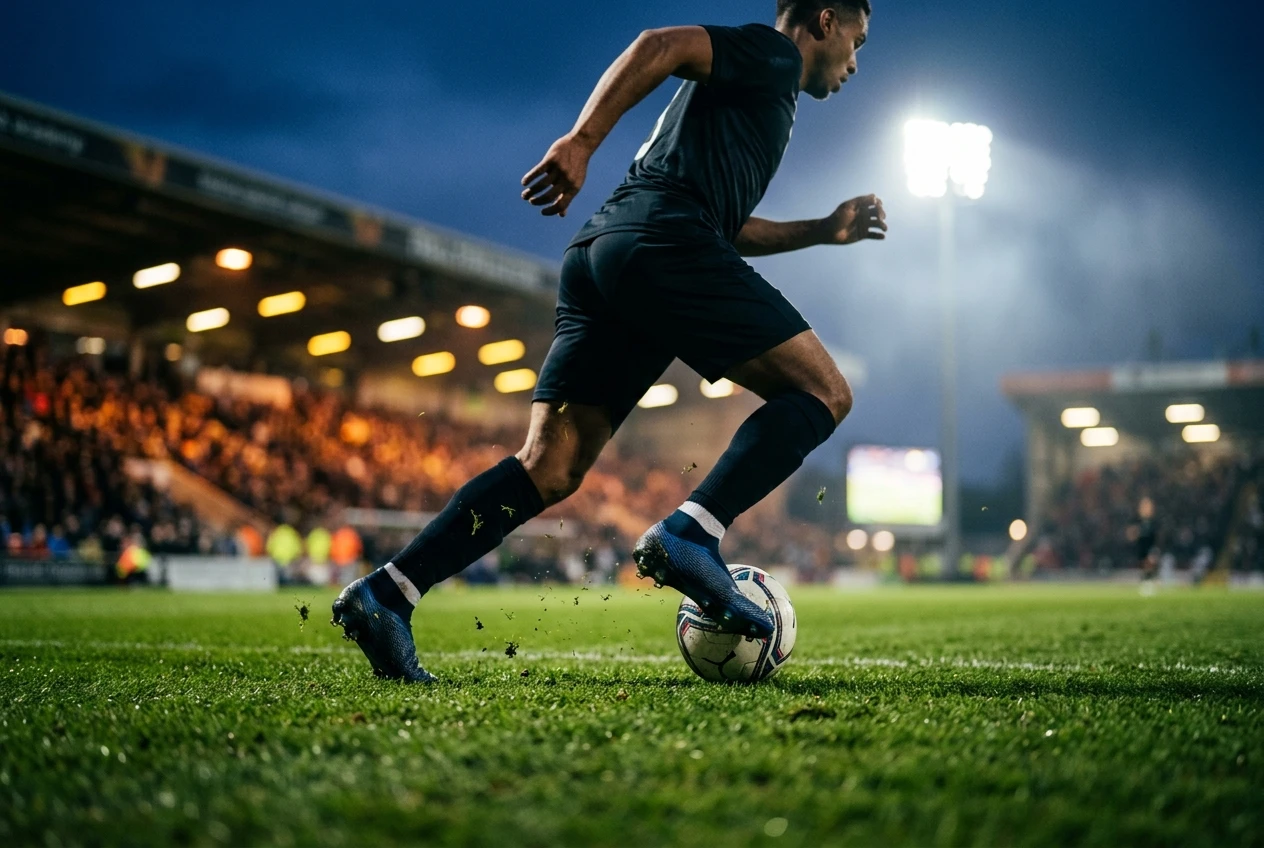
Strikers who shoot with the instep should consider whichever laceless model matches their contact style. A player who likes a textured surface for spin and grip will lean toward the Predator family. A player who prefers a plain, smooth strike will lean toward a thinner, smoother upper. The difference shows up most in the first few shots, so test both if you can.
No single laceless cleat is best for everyone. The best laceless soccer cleats for you are the ones that match your dominant contact surface, your foot shape and the pitch you play on. Surface also matters for the cleat plate, so check cleats for turf vs natural grass before you buy a pair for the wrong ground.
The fit trade-off: lockdown, sizing and what to check before buying
Laces let you adjust tightness across the whole forefoot and over the instep, and you can change that tension at halftime. A laceless cleat gives that up. The upper has to hold your foot in place through its shape, its stretch and its collar, so the cleat fits well only if the shape suits your foot.
Lockdown is the main thing to check. If your foot slides forward when you stop, or your heel lifts when you accelerate, the cleat is costing you more control than the clean surface gives back. Loose cleats also cause blisters and shift your foot over the studs, which affects balance.
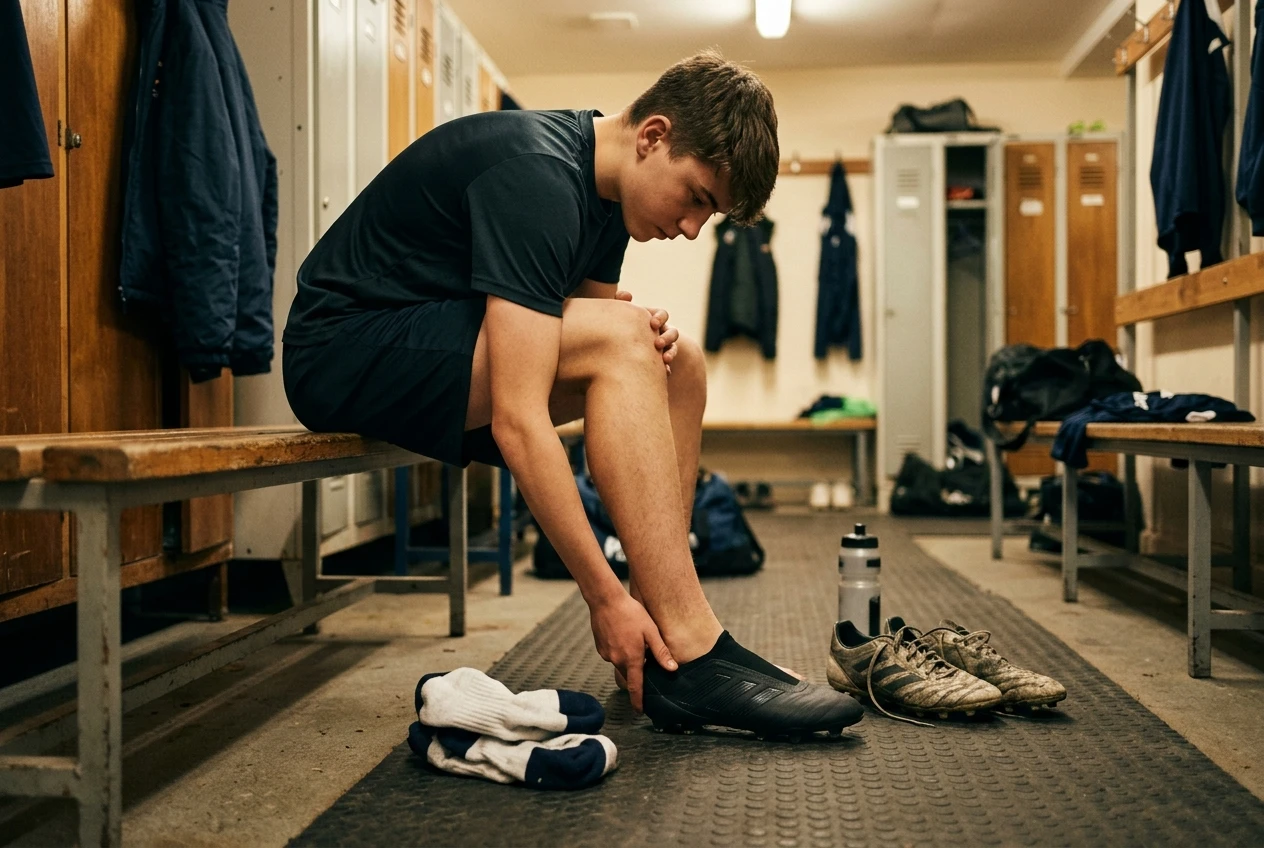
Before buying, check the following:
- Heel hold. Walk, jog and then stop sharply. Your heel should stay seated without a lift.
- Midfoot hold. The upper should wrap the arch and instep evenly. Pressure points or gaps mean the shape is wrong.
- Toe room. Your toes should lie flat with a little space in front. A laceless cleat can’t be loosened to give you more length.
- Width. If your foot is wide, a laceless upper may squeeze at the sides, and you can’t open the lacing to relieve it.
- Socks. Try the cleat with the socks you play in, not thin dress socks.
Sizing rules for cleats differ from street-shoe sizing, and laceless models are less forgiving of a wrong size. The guide to soccer cleat size vs shoe size explains how to read a size chart before you order. If you buy online, confirm the return policy first, because a laceless cleat that doesn’t fit can’t be rescued by re-lacing.
Allow some break-in time as well. Knit and flexible uppers can soften and mold, but a pair that is clearly too small will not become the right size. Our guide on how to break in new soccer cleats covers what is normal and what means the size is wrong.
How to test touch on a laceless pair in your first sessions
Wear the pair for a few light sessions before a match, so you can separate real differences from the novelty of new boots. Use the same drills in each session so you can compare them, and ideally compare against your current laced cleat on the same day or in the same conditions.

Test each touch situation separately:
- Receiving. Have a partner play balls to you at different heights and speeds. Control some with the instep, some with the inside, some with the outside. Note whether the ball settles where you want it, and whether the surface seems to grip, slip or bounce it off.
- Dribbling. Run a short cone course using the top of the foot, then using the inside and outside. Pay attention to whether you feel the ball more directly on the instep than in your laced pair.
- Finishing. Take a set number of shots from the same spots with an instep strike. Count how many land where you aimed, and notice whether the contact feels consistent.
- Stopping and turning. Do sharp stops and turns to check lockdown. If your foot moves inside the cleat, that cancels any touch gain.
Keep a short note after each session. A few lines on what felt different is enough. Ignore a first session that feels strange, because your feet need time to adapt to a different upper. By the third or fourth session you should know whether the cleat helps your touch, makes no difference, or hurts your fit.
If you are buying for a youth player, ask them to describe what they feel, and watch for them favoring one foot or avoiding certain touches. Children often can’t tell you that a shoe is slightly wrong, but they show it in how they play.
When a laced cleat is still the smarter pick
A laced cleat is the better choice in several situations:
- You need adjustable fit. If your feet swell during a match, or you are between sizes, laces let you adapt. This matters for wide feet and for high insteps.
- You play mainly with the inside and outside of the foot. If your contact rarely involves the instep, a clean surface gives you little.
- The player is still growing. Youth players change size quickly, and laces extend how long a pair stays usable.
- You need extra support. Laces can lock the ankle and midfoot more firmly. If support is the priority, see the guide to soccer cleats for ankle support.
- Budget matters. Laceless models tend to sit in the upper tiers of a brand’s range. A well-fitting laced cleat in a lower tier often does more for your game than an ill-fitting premium laceless pair. The best soccer cleats under $100 list shows what is available without paying for a premium feature.
Many players do well in laced cleats with a flat lace, an offset knot or a cover over the lace area. These keep most of the clean-surface benefit and add adjustability.
Laceless cleats are worth buying when you use the top of the foot often, your foot suits the shape, and the pair holds you securely. If one of those is missing, a laced cleat is the more reliable choice.
To narrow your choice further, read Best Soccer Cleats For Speed And Control for how different cleats balance pace and touch, and Soccer Cleat Size Vs Shoe Size before you order a pair you cannot re-lace.