
Nike Mercurial vs Adidas Predator: Which One Actually Fits Your Game
Last Updated on October 15, 2026 by
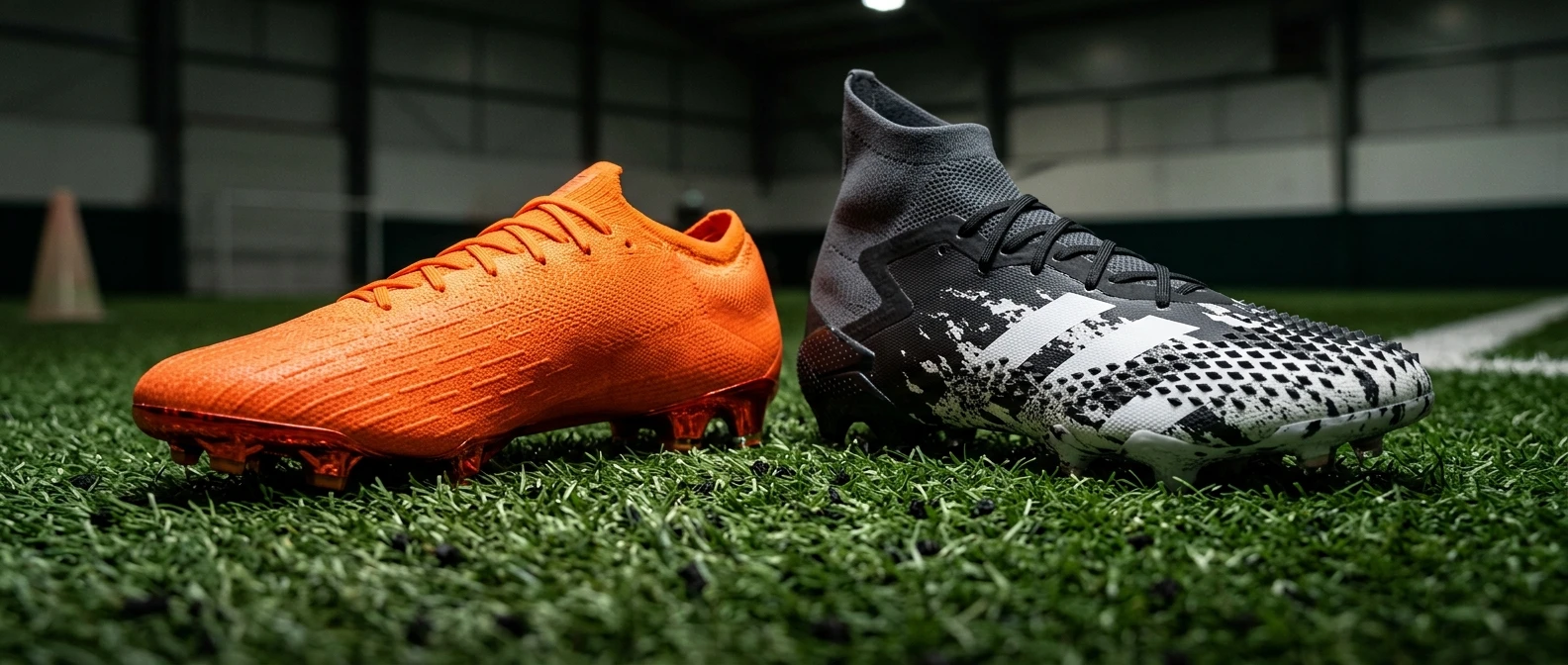
The Mercurial and the Predator sit on opposite ends of nearly every boot wall in every soccer shop, and that placement is not an accident of marketing. They are built around two different ideas of how a match is won, and most comparisons stop at listing weight and upper material without ever connecting that back to how a specific player actually moves on the pitch. This one makes the call based on your game, not the badge on the box.
What Each Boot Is Actually Built To Do
The Mercurial exists to get a player from one point to another faster than the defender marking them. Everything about the silhouette, the low-cut collar, the snug sock-like fit, the sprint plate underfoot, serves that single purpose. Nike designed it around straight-line acceleration and the kind of first-step burst that wins races to a through ball.
The Predator exists to help a player do something to the ball once they have it. The elastic textured zones across the forefoot and the wider, more structured last are there to increase contact surface and grip at the moment of striking or passing. It is a boot built around the technical moment, not the sprint before it.
Neither boot is better in the abstract. They are answers to different questions, and the honest first step is figuring out which question matches your game.
Material and Touch: Vaporposite Grip vs Textured Synthetic
Recent Mercurial uppers use a thin synthetic weave designed to be as unobtrusive as possible, a second skin rather than a layer between foot and ball. Ball contact feels direct and fast, which suits players who are already moving when the ball arrives and need an instant touch rather than a cushioned one.
The Predator’s textured synthetic panels, including the raised rubber-like elements across the striking zone, work the opposite way. They are meant to grip the ball slightly on contact, adding friction that helps generate spin and curl on shots and crosses. That friction costs a small amount of pure speed-touch but pays it back in shot shape and passing accuracy, particularly on a ball struck with any kind of bend.
If you play with your head up and your first touch already sorted before the ball lands, the Mercurial’s flatter, quicker surface rewards that. If a lot of your value comes from what you do with the ball once it is on your foot, the grip of the Predator’s upper is doing real work for you.
Weight and Fit: How Each Boot Feels at Full Speed
The Mercurial is consistently among the lightest boots on the market, and Nike cuts the collar low and the fit tight through the midfoot specifically to remove anything that might slow a sprint. At full speed, it feels like it disappears, which is exactly the intent. Players with a narrower foot shape tend to get the snuggest version of that fit.
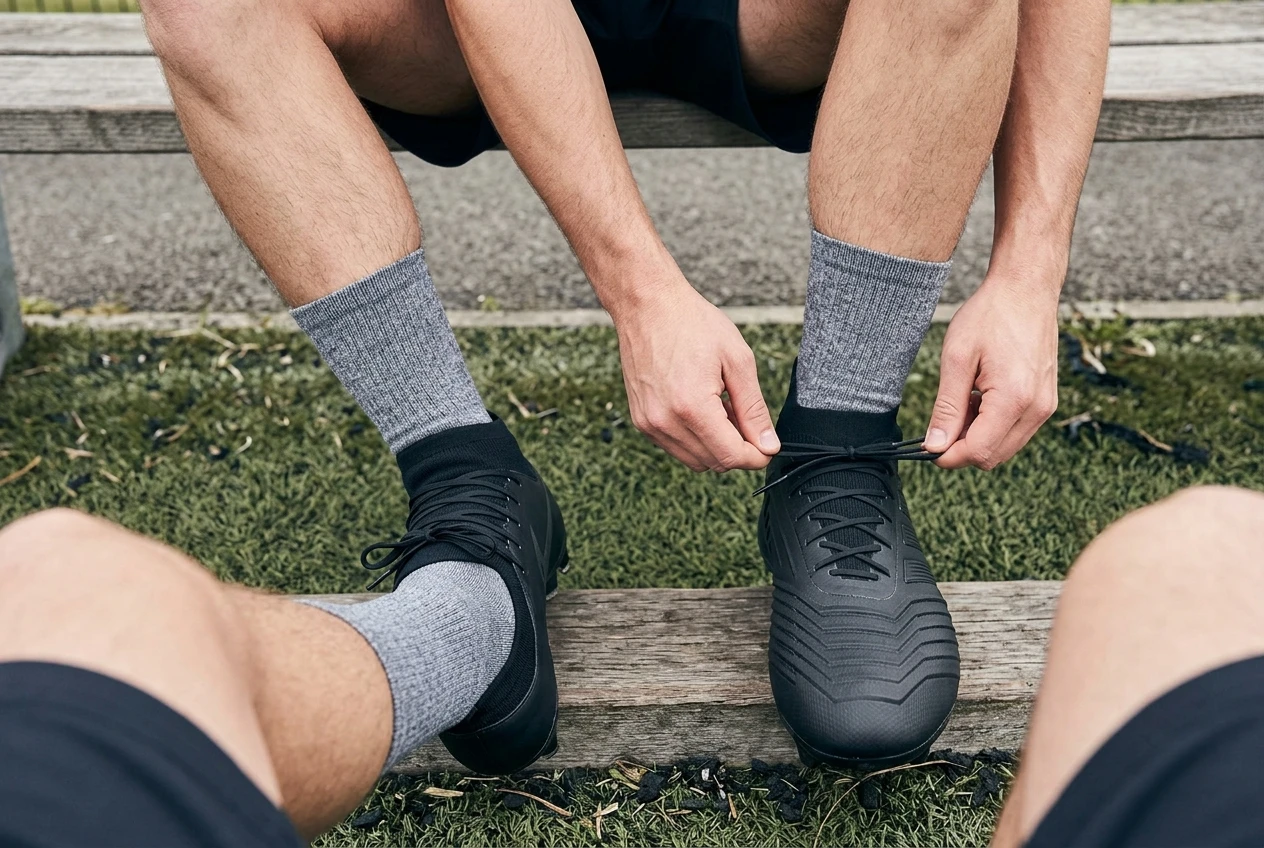
The Predator carries more structure and, in most versions, more weight, because that structure is what holds the textured striking zone in place and keeps the boot stable during a firm strike. It fits slightly roomier through the forefoot in most releases, which also makes it a more forgiving option for players with a wider foot who find the Mercurial’s narrow last uncomfortable over 90 minutes.
Foot shape alone can settle this for some players before playstyle even enters the conversation. A wide foot jammed into a narrow Mercurial last will cause real problems no matter how much pace that player has, and a narrow foot swimming in a roomier Predator loses some of the locked-in feel that striking technique depends on.
Playstyle Match: Are You a Mercurial Player or a Predator Player?
This is the actual decision, and it comes down to three honest questions about how you play rather than how you want to play.
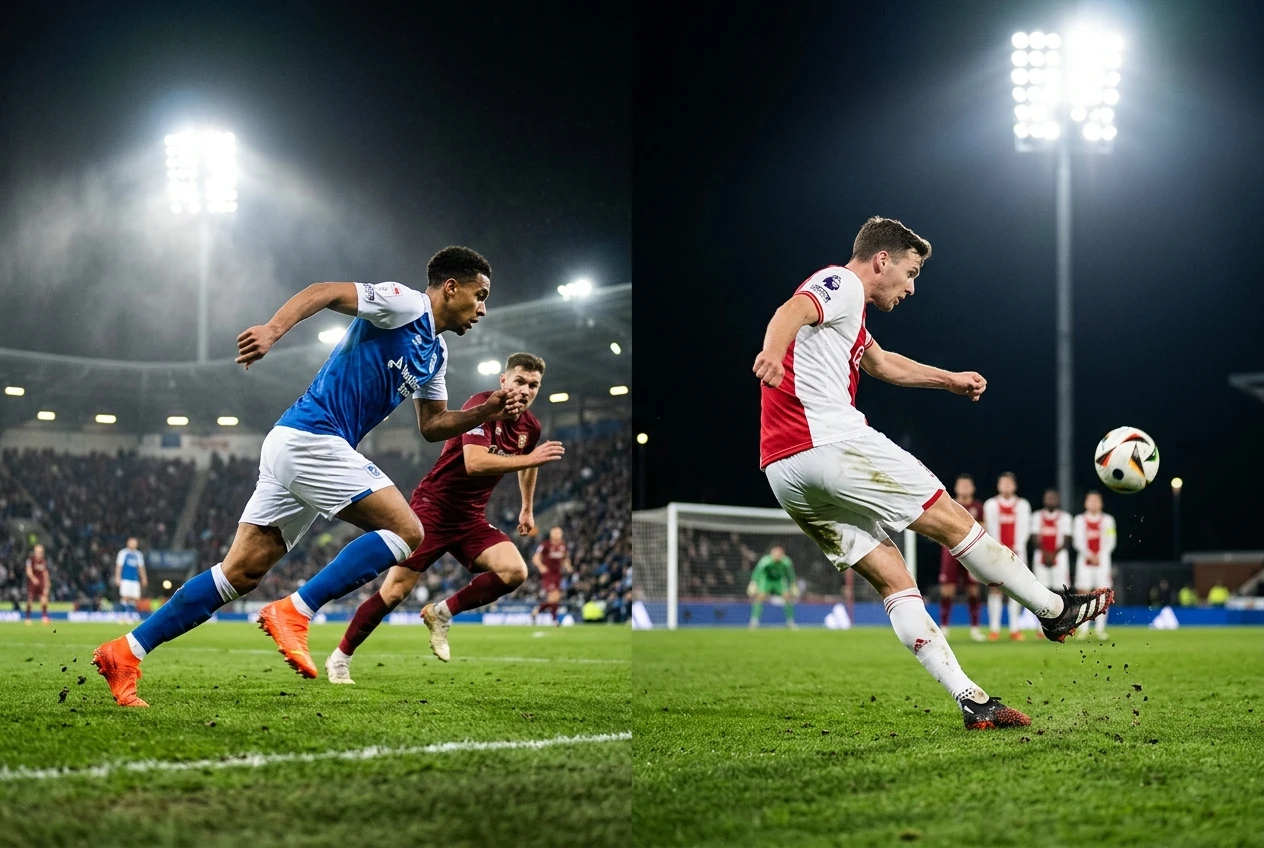
Pace reliance. If a meaningful share of your game is beating a player with a first step, running onto through balls, or recovering defensively with speed, the Mercurial is built around exactly that habit. If your pace is average and your value comes from positioning, timing, and technique instead, the speed-first build of the Mercurial is solving a problem you do not have.
Striking technique. Players who hit a lot of driven or curled shots, who whip in crosses, or who rely on disguised passing weight benefit from the friction the Predator’s upper adds at contact. Players whose game is mostly one-touch play, quick combinations, or finishing from close range do not need that extra grip as much, since there is less time or room for the ball to do anything exotic.
Foot shape and comfort. This one overrides preference. A player with a wide foot who forces themselves into a narrow Mercurial fit will fight the boot all match, and a player with a narrow foot who wants Predator-level striking grip may need to look at sizing carefully or accept a looser overall fit than they are used to.
A fast, direct winger who lives on the shoulder of the last defender is a clear Mercurial case. A deep-lying playmaker or a free-kick taker who needs touch and curl is a clear Predator case. Most players sit somewhere between the two extremes, which is where foot shape and personal comfort should break the tie.
Price and Durability Differences Worth Knowing
Both boots span a wide range depending on the tier, from top-end synthetic builds down to more affordable versions aimed at club and school-level players. The top-tier Mercurial and Predator releases tend to land in similar price territory, so cost alone rarely decides this comparison at the highest end.
Durability differences show up more in how each boot is used than in the materials themselves. The Mercurial’s thin, speed-oriented upper is not designed to take repeated heavy contact and can show wear faster on artificial surfaces or in physical midfield battles. The Predator’s thicker, more structured build generally holds up better to contact and firm ground play, partly because it was never trying to be as minimal in the first place.
Players on a tighter budget who still want to compare options across both boots and others at a lower price point may find it useful to look at Best Soccer Cleats Under $100 before committing to a full-price pair of either.
Which Boot Fits Which Position
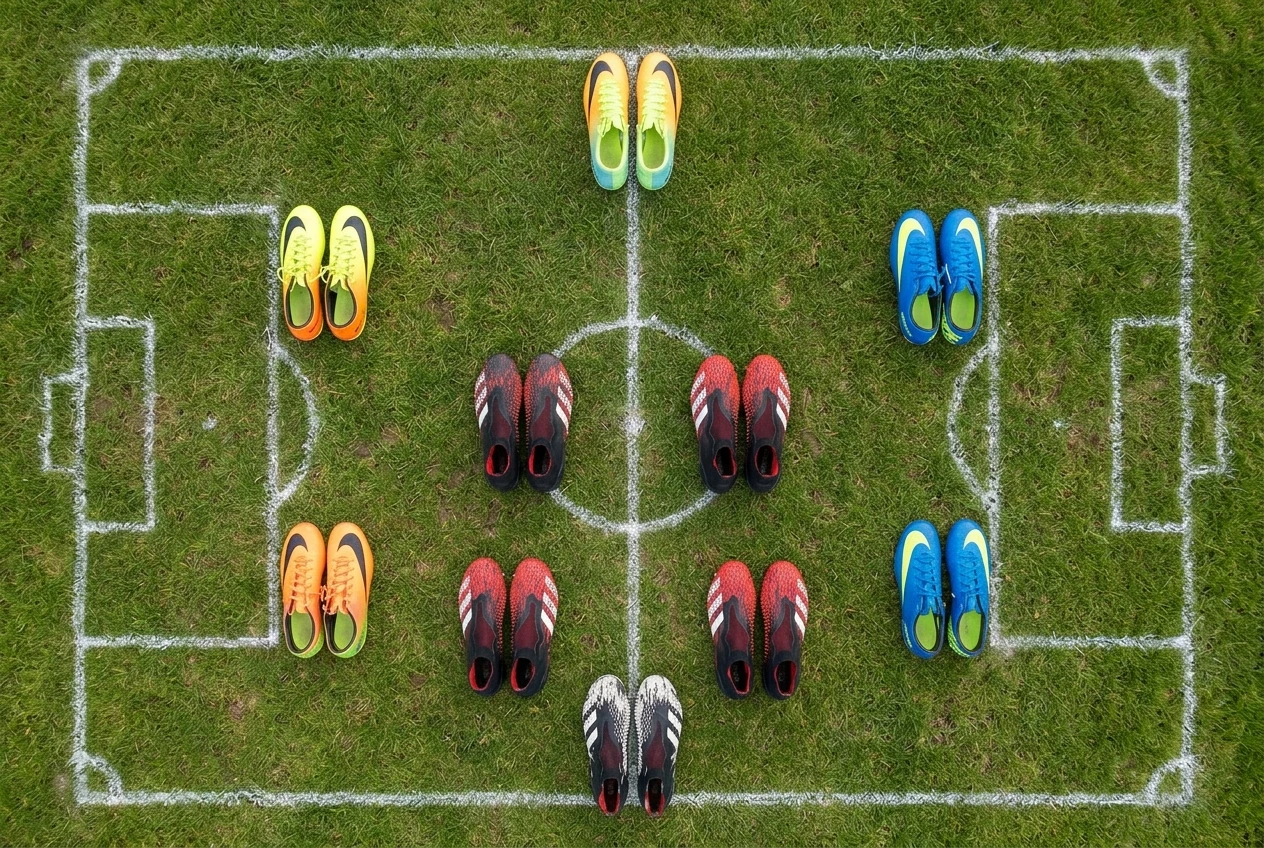
Position is not a perfect predictor since plenty of defenders have serious pace and plenty of forwards have serious technique, but there are reasonable tendencies worth naming.
- Wingers and fullbacks who rely on repeated sprints up and down the flank lean toward the Mercurial.
- Strikers who finish mostly through pace and movement in behind also tend to favor the Mercurial, while strikers who finish through placement and technique often prefer the Predator.
- Central midfielders and playmakers who are passing, curling set pieces, or driving shots from distance tend to get more out of the Predator’s striking zone.
- Center backs generally prioritize stability and contact durability over either boot’s specialty, which is part of why boot choice at that position often comes down to comfort and fit more than speed or touch features.
For a fuller breakdown of how boot choice shifts by role on the pitch, the position-by-position guide goes into more detail than a two-boot comparison can.
Final Verdict: Making the Call for Your Game
Neither boot is the objectively correct choice, and anyone who tells you otherwise is arguing brand loyalty rather than fit. The Mercurial is the right call for a player whose game depends on getting somewhere fast. The Predator is the right call for a player whose game depends on what happens to the ball once they are already there.
Be honest about which of those two things actually wins you more moments in a real match, check that your foot shape matches the last of whichever boot you lean toward, and let that answer the question instead of the colorway or the name on the box.
Check out our breakdown of the best boots for each position to see where the Mercurial and Predator fit into the bigger picture: Best Football Boots For Each Position