Best Soccer Cleats for High Arches: What to Look For So Your Midfoot Stops Aching
Last Updated on November 14, 2026 by
High arches change how a cleat fits more than most players expect. The arch sits higher, so the top of the foot sits higher too, and that pushes against the laces and tongue. The midfoot is where your foot is tallest, and it is also the part of the cleat with the least room to give.
Finding the best soccer cleats for high arches mostly comes down to reading a cleat for volume, lacing, insole depth and upper stretch. Once you can check those four things, you can judge almost any pair, whatever the brand says about it.
How high arches change the way a cleat fits
A high arch raises the instep, the arched top of the foot between the toes and the ankle. A cleat made for an average instep has a fixed amount of space between the insole and the tongue. If your foot takes up more of that space, the laces have to close over a taller shape, and the pressure lands on the bones and tendons across the top.
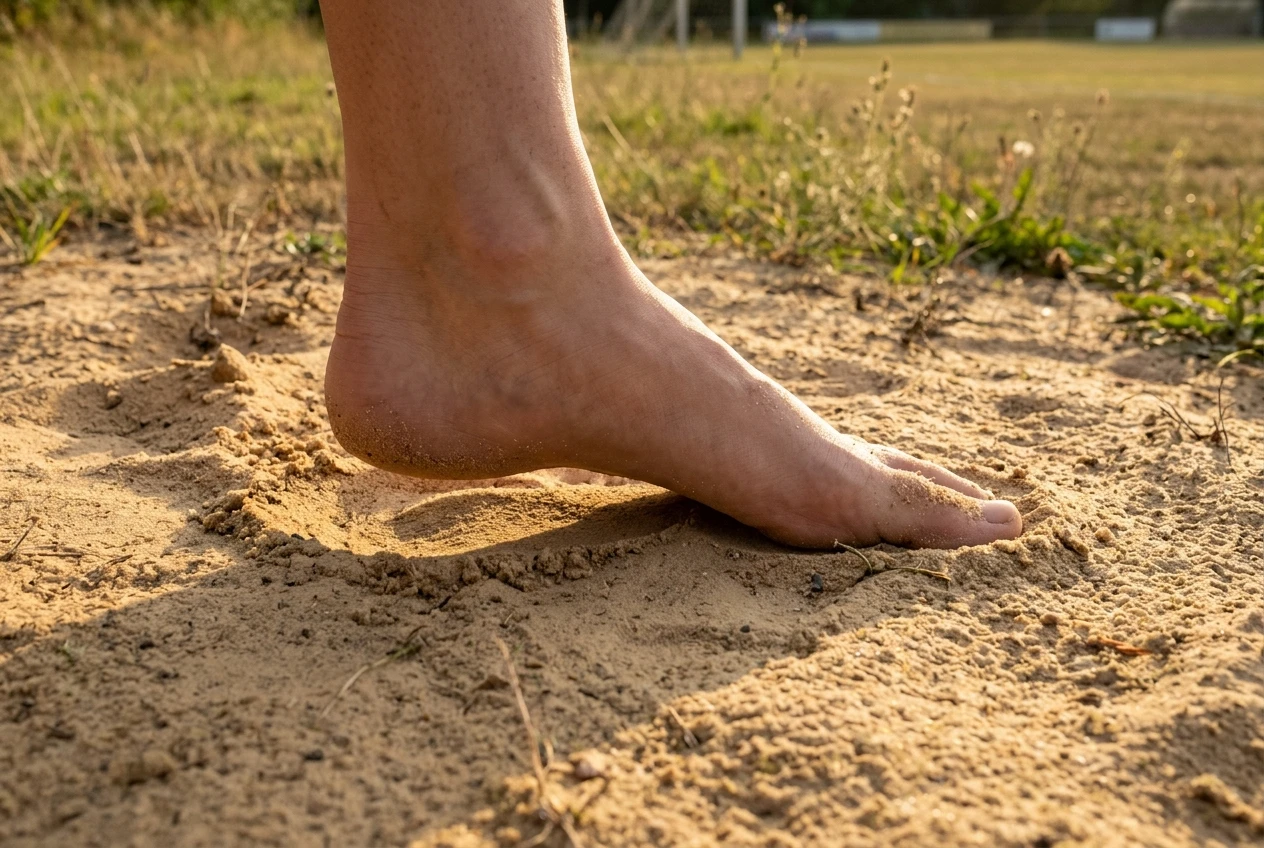
High-arched feet also tend to touch the ground at fewer points, mainly the heel and the ball of the foot. That means the arch has little contact with the insole, so the foot can feel unsupported underneath and cramped on top at once. Both sensations come from the same shape.
Length and width are not the whole story. A cleat can match your size on paper and still feel wrong because the height through the midfoot is too low. That is why many players with high arches size up, then find the toes swim and the heel slides.
The fit problems you’ll notice first
Three complaints show up most often, and each points to a different part of the cleat.
- Top-of-foot pressure: a sore, sometimes numb spot where the laces cross the highest part of the foot. It usually means the upper or tongue is too stiff or too low for your instep.
- Arch cramps: a tightening or aching under the middle of the foot, often late in a match. The foot muscles work to hold the arch steady on a plate that gives little cushioning or shape under it.
- Heel slip: the heel lifts as you run. Players often cause this by buying a bigger size to relieve the pressure on top, which leaves extra length and a loose heel.
If you notice more than one, pay attention to which comes first when you put the cleat on. Top pressure at the moment you lace up is a volume problem. Cramping that builds over thirty minutes is more about the insole and the plate underfoot.
What to check on the cleat: upper stretch, lacing, tongue and volume
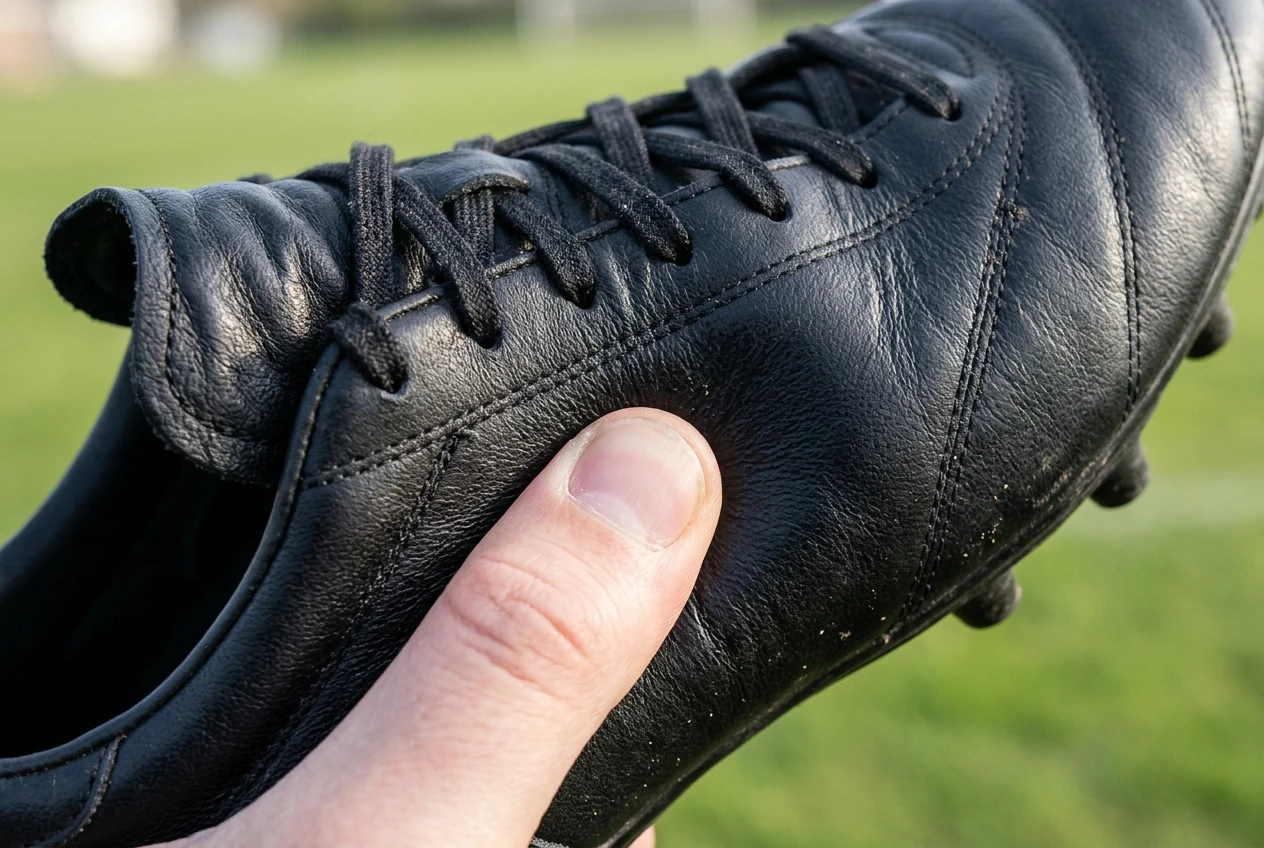
Start with the upper. Press your thumb into the material over the midfoot. A soft upper that gives under your thumb will usually mold to a tall instep. A thin, firm synthetic with a smooth coating may hold its shape and keep pressing on the same spot. Our guide to synthetic vs leather soccer cleats covers how each material stretches and wears.
Then look at the lacing and tongue.
- Eyelet position: more eyelets spread across the midfoot let you adjust the pressure in zones. A lacing system that sits off to the side can reduce pressure on the top of the foot, though it changes how the cleat locks down.
- Tongue thickness and attachment: a thick tongue takes up space. A thin one, or one that is stitched into the upper like a sock, leaves more room but can bunch up. Check that it lies flat when laced.
- Collar and sock-style entries: a knit collar can stretch around a high instep, but the stretch only helps if the cleat is the right length.
Finally, judge volume. Put the cleat on with the insole in, lace it snugly, and see whether you can slide a finger under the tongue at the highest point. If you cannot, there is no room. If the cleat feels comfortable on top but your heel lifts when you stand on your toes, the length is probably too long.
Cleat types and materials that tend to suit high-arched feet
Leather uppers are often the easiest place to start. Natural leather generally softens and stretches with wear, and it can adapt to the height of a high instep over a few sessions. Kangaroo leather is known for being soft and for stretching more than other leathers; see our page on the best kangaroo leather soccer cleats if you want to go that way. Because leather stretches, buy it snug rather than loose, or the heel will slip once it has broken in.
Knit and mesh uppers can also work. They stretch in all directions, so they tend to avoid hard pressure points over the instep. They often feel less locked in, which suits some players and bothers others.
Be more careful with thin, firm synthetic uppers with a bonded or coated skin. They do not stretch much. If the midfoot is tight in the store, it will probably still be tight on the field. Those cleats can still work for a high arch if the tongue and lacing give you room, but test them with more care.
Cleats that lace in a standard way over the top give you the most control, since you can loosen the midfoot while keeping the heel and toe snug. Laceless cleats remove that control. If you are curious about them, read our take on the best laceless soccer cleats, but expect less adjustability if your instep is tall.
Cleats worth trying for high arches, and who each one suits
I can’t promise that any single model fits your foot, and brands change their designs from one release to the next. So treat these as lines to try on, and check the current version in the store before you commit.
- Leather classic lines, such as the Nike Tiempo, Adidas Copa and Puma King: these have traditionally been built around leather uppers and standard lacing. They suit players who want a softer upper that stretches over a tall instep and who play a touch-focused game. Check whether the current version uses leather or a synthetic substitute, since that affects stretch.
- Mizuno Morelia: known for its soft leather and a more traditional shape. It suits players who want a leather cleat and prefer a closer fit through the midfoot, as long as the instep has room when you try it.
- Knit-collar or sock-style speed cleats: these suit players who like a snug, one-piece feel and who find standard collars dig into the ankle. Try them for a high instep, but confirm the tongue area is not tight.
- Flexible-upper control cleats: if you play in the middle of the pitch, our guide to best football boots for each position shows how different roles may favor different builds.
If you are weighing the Nike Mercurial against the Adidas Predator, our Mercurial vs Predator comparison covers how each fits. Whatever you choose, the checks in the previous section matter more than the name on the heel.
Insoles and lacing tricks that help a cleat you already own
You do not always need new cleats. A few changes can reduce the pressure or cramping in a pair you already have.
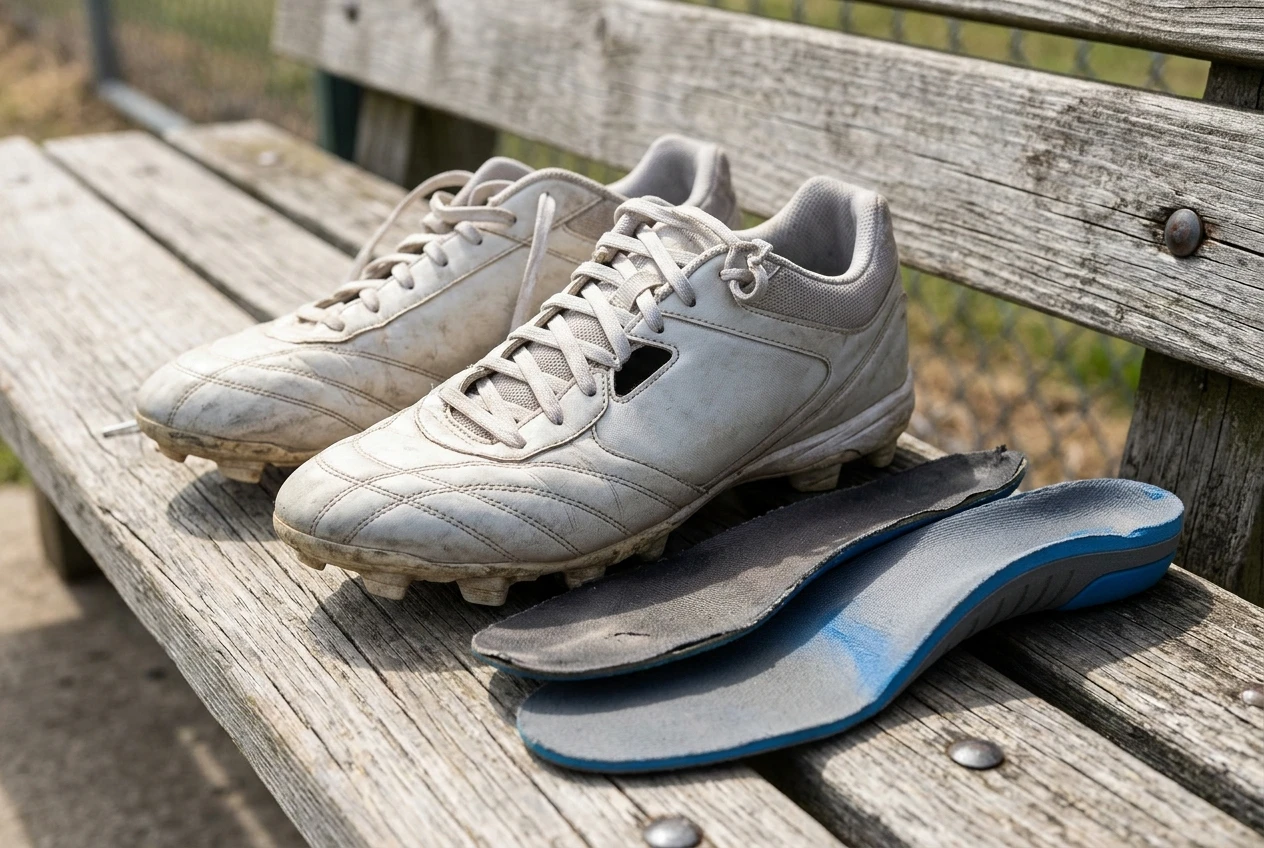
Lacing changes:
- Skip an eyelet: leave the laces out of the eyelet over the sorest spot, and lace straight past it. This is often called window or gap lacing, and it takes pressure off the top of the foot.
- Loosen the midfoot, lock the heel: keep the laces looser across the instep and tighter near the ankle. Using the top eyelet to make a heel lock, where the lace passes through the same side’s final eyelet to form a loop, helps stop heel slip.
- Move the knot: if the knot sits on a sore spot, tie it off to the side.
Insole changes:
- Remove the stock insole: a thinner insole gives you height back. Only do this if the cleat still feels stable.
- Add arch support carefully: a supportive insole can reduce arch cramping by filling the space under the foot, but it also takes up room on top. If you add one, retest the top-of-foot pressure.
Our post on how to break in new soccer cleats has more on softening a pair gradually.
How to test a pair in the store or at home before you commit
Try cleats on in the afternoon or evening, when your feet are at their largest. Wear the socks you play in, and bring any insole you plan to use.
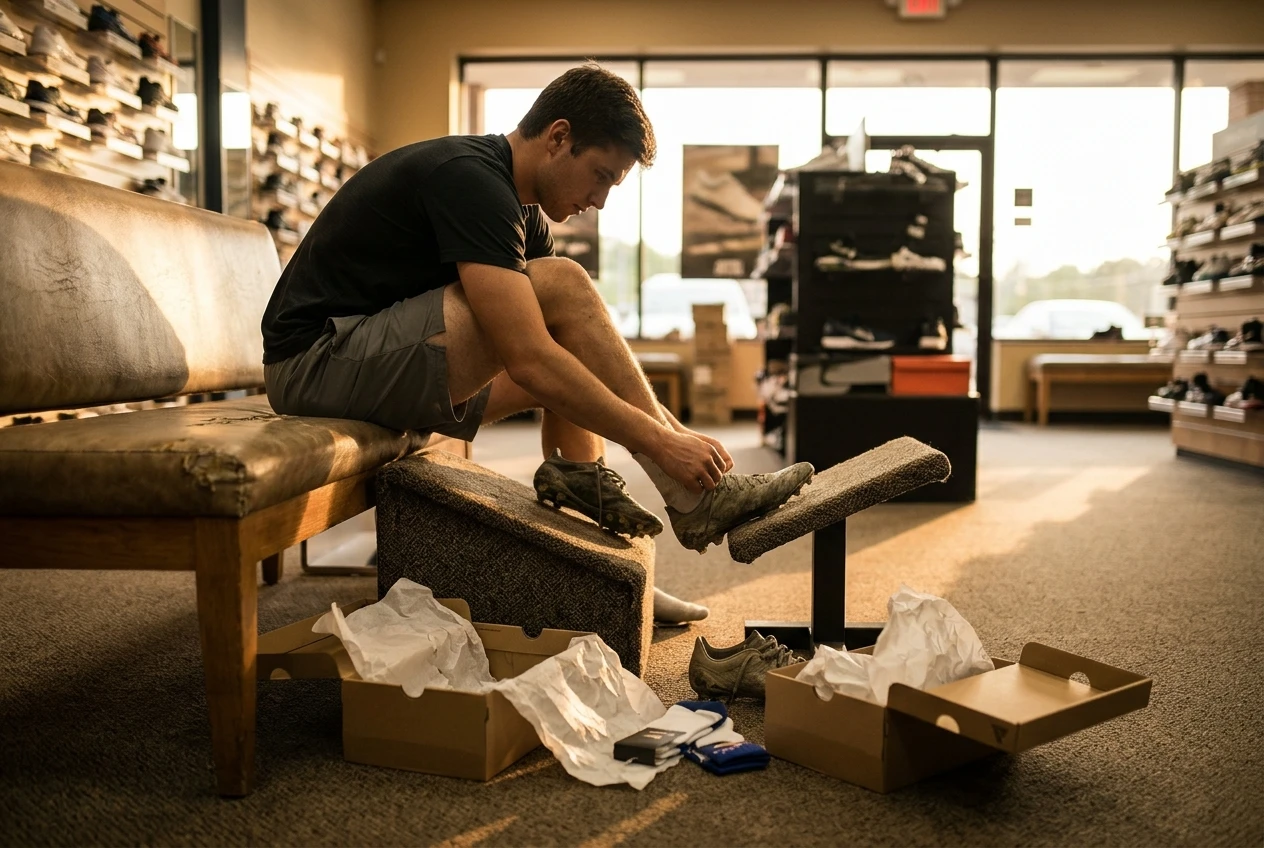
Run through the same checks each time:
- Lace the cleat fully and stand up. Look for pressure over the top of the foot right away.
- Walk, then jog on the spot. Watch for the heel lifting.
- Rise onto your toes and shift your weight forward. The toes should have room and the midfoot should not pinch.
- Do a few quick turns and stops if the store allows it.
- Leave them on for at least ten minutes. Arch cramps and numbness often take that long to appear.
If you order online, check the return policy before you buy, and try the cleats indoors on a clean surface first. That way you can still send them back if the midfoot is wrong. If you are buying for a growing child, our post on youth soccer cleats for wide feet covers leaving room for growth without losing the lockdown.
When arch pain is more than a fit problem
Cleats can cause discomfort, but they are not always the cause. Pain that continues after you take the cleats off, pain that wakes you at night, swelling, numbness or tingling, or pain that gets worse over several weeks should be looked at by a doctor or a podiatrist. The same goes for a child who complains of foot pain regularly or starts limping.
A professional can tell you whether you need custom insoles or something else entirely. Do not rely on a cleat change to fix a problem that may be medical.
Compare fit issues before you buy
High arches are only one of several foot shapes that affect how a cleat feels. If your problems also include a flatter foot or pain at the back of the foot, read our guides to the best soccer cleats for flat feet and the best soccer cleats for heel pain to compare the fit issues. Then sort out sizing with our soccer cleat size vs shoe size post before you buy through any of the product links.